
A lasting power of attorney (LPA) document will enable you (the donor) to name one or more attorney(s) (people appointed to look after your affairs) whilst you have the capacity to do so. This means that in the future they can take over either your financial and property affairs or your personal welfare affairs (or both) depending on which lasting power of attorney has been completed.
Lasting power of attorney forms have to be registered with the Office of the Public Guardian (OPG) before they can be used. We can assist you with this process if required for a fixed fee.
If I am mentally incapable of looking after my finance, my spouse will automatically be able to do this, won’t they? What about my next-of-kin?
No, many people think that their husband and wife would automatically be able to deal with their bank accounts, pensions, investments (including any share in any business you may own) and savings if they become mentally incapable, but this simply is not the case. If you have not given a property and affairs LPA to your husband or your wife, then they will not have the authority to sign on your behalf without an order of the court.
Equally the law does not recognise the phrase ‘next-of-kin’ and they would not have the authority to act for you unless you appoint them or they are appointed by the court.
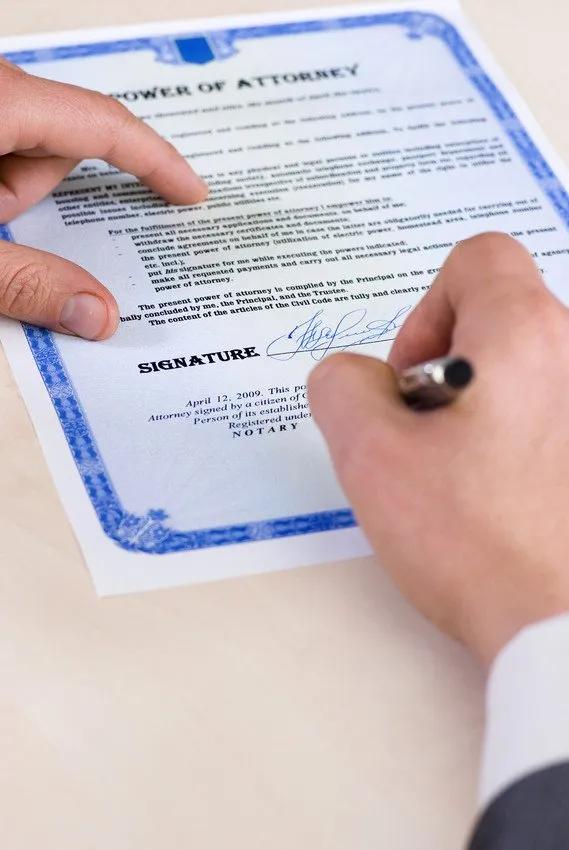

The attorneys are named by you. You can also nominate up to five people to be notified when the document is being registered and if they have any objection they have the right to raise any concerns and can stop the registration process if their objection is upheld.
There are two principal benefits of making an LPA: control and expense.
a. Control
By making an LPA you will maintain greater control over how your affairs will be managed if you lose capacity. If you do not make an LPA and become incapacitated due to old age, illness or accident then the onus is on the Court of Protection to appoint a deputy. Rather than abdicating and allowing a third party who may not be of your choosing to decide how your affairs should be administered, and who should administer them, a simple LPA will allow you to decide this in advance and appoint an attorney of your own choosing, someone who you absolutely trust.
b. Expense
If you do not make a lasting power of attorney and go on to lose capacity, then someone will be called upon to apply to the Court of Protection to become your deputy. This may be a close relative, friend, Social Services or a lawyer. If no one steps forward then the Court will appoint a deputy to make decisions on your behalf. Preparing and registering an LPA is by far the cheaper option. The Office of the Public Guardian (OPG) has estimated the cost of having a Court of Protection deputy is at least twelve times as much as an LPA. There are also ongoing supervision costs and the costs of implementing and maintaining an annual bond in most cases, as well as the risk of abuse by deputies.
Before the introduction of lasting powers of attorney on 1st October 2007, a similar document called an enduring power of attorney could be drafted. Existing enduring powers of attorney are still valid provided that they were signed by all parties named in the document before 1st October 2007 and therefore do not need to be replaced with a lasting power of attorney.
However, amendments to enduring powers of attorney cannot now be made so anyone wanting to amend an enduring power of attorney will need to replace it with a lasting power of attorney.
If the donor loses capacity, this document would have to be registered with the OPG. As with an LPA, we can assist you with this process for a fixed fee